Meth, Fentanyl, And Other Substance Usage in Idaho Communities
The ongoing Idaho drug problem mirrors the drug issues that are being faced throughout the rest of the country. While Idaho is a beautiful place to live, it is not immune to issues with drug addiction, and the impacts are being seen in cities and counties across this wonderful state.
Below, we’ll look more closely at what areas are particularly hard hit by this ongoing issue. If you or a loved one has been impacted by drug addiction, it’s never too early to seek help for that battle.
At Icarus Wellness and Recovery in Boise, we have a team of experienced professionals ready and waiting to aid in your addiction struggle. Call now to learn more about our substance abuse treatment options.
Get Effective Detox and Rehab Options at Icarus
What is the Scope of the Drug Problem in Idaho?
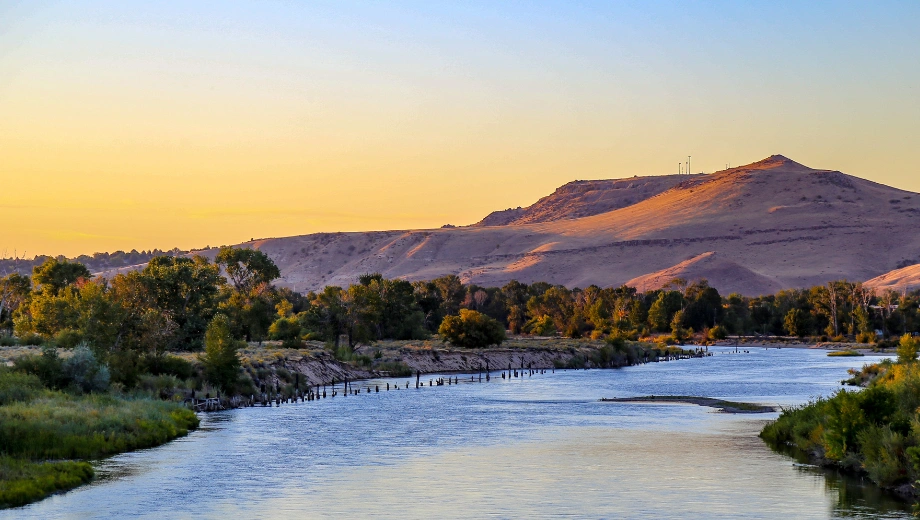
There is so much to love about living in Idaho. The beauty of nature found in this state is almost beyond compare. There are vast open spaces where you can settle into a quieter, slower pace of life. For those who enjoy rural areas, whether to live in or just to visit and explore, it’s hard to do better than life in Idaho.
None of that means that Idaho is a perfect place without its problems, of course. People in this state struggle with substance use disorder just like anywhere else, especially given the rise in availability of addictive drugs like methamphetamine and fentanyl.
Does Idaho Have a Drug Problem in Comparison to Other States?

Idaho has been designated as a High-Intensity Drug Trafficking Area by the federal government, indicating significant drug trafficking activity in the state.
Idaho’s proximity to states with higher rates of drug use, such as Oregon and Washington, contributes to the drug trafficking issues faced by the state.
Illegal drugs are available throughout the state through various means, and as a result, many communities struggle with drug abuse. Whether it’s prescription medications that are being abused or drugs like heroin, cocaine, and fentanyl, abuse treatment in Idaho is in high demand.
We can look at a report from the Idaho Office of Drug Policy for an indication of the scope of this problem.
- In 2022 alone, 381 Idaho residents died from drug-related overdoses
- Also in 2022, roughly half of all overdose deaths involved fentanyl
- Idaho residents aged 18-25 reported alcohol use and drug use disorder slightly higher than the national average (18.8% vs. 18.6%)
- 1% of the Idaho population aged 26 or older reports opioid misuse
These are just a few of the many available statistics that speak to the problem that this state faces with both drug and alcohol abuse.
Complicating the issues further, law enforcement in Idaho has reported significant challenges in combating drug trafficking due to the state’s rural nature and limited resources.
What is the Rate of Overdose in the Gem State?
At this point, the drug problem in Idaho doesn’t show any signs of getting better. According to a report by the Idaho Statistical Analysis Center, overdose deaths have risen dramatically in recent years.
The Idaho Bureau of Vital Records reported that drug-related overdose deaths have devastated many families across the state.
In 2012, the rate was 5.5 deaths per 100,000 residents, while in 2022 the rate was 13.9 overdose deaths per 100,000 residents. And in the most recent data available, fentanyl accounted for 51% to 56% of all overdose deaths in Idaho as of late 2025.
If you or a loved one is on a path that may lead to a tragic outcome, we ask you to reach out for help immediately.
Several Factors Contribute to Substance Misuse in Idaho
There are several circumstances in place in Idaho that make people here vulnerable to substance abuse. First, look at geography. Idaho sits on major transportation corridors, whether it is I-90 in the north or I-84 in the south. The major highways make it easy for drugs to flow into the region.
Also, there is the factor of rural isolation that can impact some people. In the more rural parts of the state, access to local resources and support can be very limited. Without services for mental health issues and without direct access to addiction treatment, drug use can easily spiral out of control.
One other element to consider is economic stress. Where jobs are hard to find, or where the jobs are physically demanding, drug use is often higher. This can be due to chronic pain or as a result of the mental health struggle that comes from having a hard time making ends meet.
Idaho residents have dealt with a rising cost of living like people in the rest of the country, and for some, illicit drugs have become a form of escape.
Two Major Forms of Drug Addiction Problems in Idaho
Does Idaho have a drug problem? It’s always a mistake to cast a wide net over a whole state, but it can be said that there are a couple of specific drugs that are causing problems.
And while Idaho has strict drug laws and an aggressive legal stance on drug use, including what might be called a zero-tolerance policy.
Idaho’s drug trafficking laws are among the strictest in the country. Yet, while Idaho’s strict drug laws include mandatory minimum sentences for various drugs (Idaho has mandatory minimum sentences for marijuana, methamphetamine, heroin, cocaine, and fentanyl), these laws have not eliminated substance misuse in the state.
In fact, Idaho law enforcement has seen a nearly 1,000% surge in the fentanyl death rate between 2012 and 2022, and a 222% spike in methamphetamine seizures.
Out of a long list of possible drugs that can lead to various physical and mental health issues (marijuana, methamphetamine, heroin, cocaine, among others), two tend to stand out above the rest.
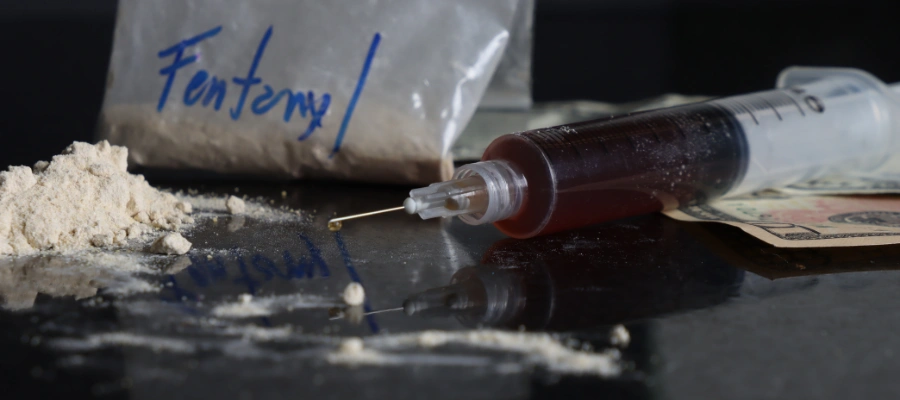
Fentanyl and methamphetamine are currently the most significant drugs posing issues in Idaho.
Get Accredited Treatment Programs at Icarus
Methamphetamine Use and Abuse in Boise and Across the Gem State
Sadly, meth has long been one of the most damaging drugs in Idaho. Methamphetamine represented 43% of drug samples analyzed in Idaho in 2021. It is relatively inexpensive to produce and distribute, and the effects of using it can be devastating.
Meth use is tied to severe physical health decline, paranoia, aggression, and long-term cognitive damage.
Drug abuse and drug addiction treatment admissions for methamphetamine and marijuana have been increasing steadily in Idaho.
Methamphetamine is present in approximately 38% of overdose deaths in high-intensity trafficking areas in Idaho.
The Threat of Fentanyl in Idaho
While meth has been a problem for some time, fentanyl products have become a bigger and bigger issue in recent years. Whether it’s youth substance misuse or older residents, the results are devastating.
This drug is a synthetic opioid that is far more potent than heroin, and even small amounts can be lethal. Illicitly manufactured fentanyl is often found in counterfeit pills that resemble prescription medication. What’s worse is that fentanyl is often mixed into other drugs without the user knowing it, dramatically increasing the risk of an overdose as a result.
Interestingly, female opioid misuse in Idaho has tripled between 2018 and 2021, while male misuse dropped by half during the same period.
Three Geographic Areas in Idaho With Drug Problems
There are no borders around the drug issues in Idaho. Many who are addicted to drugs in this state have co-occurring mental health conditions, and they may turn to prescription painkillers or any of a number of other drugs in an attempt to cope.
For those caught in a substance abuse struggle, it doesn’t matter that there is a strict stance on drug use in Idaho, a zero-tolerance state, and law enforcement agencies are mostly helpless to stop the problem.
Below are three parts of the state that have seen drug use as a steadily growing concern.
Boise and the Treasure Valley
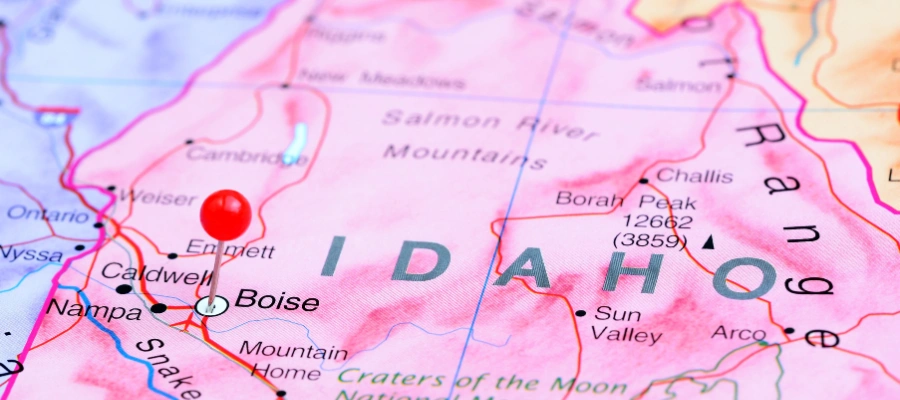
The most populated part of Idaho is also one of the most impacted in terms of drug use. There are a number of drug-related incidents, overdoses, and treatment admissions in Boise and the surrounding cities.
People throughout the Treasure Valley, including those in Nampa, Meridian, Eagle, Caldwell, and Middleton, are struggling with addiction challenges.
Fortunately, there are more services available here than in other parts of the state, with other facilities such as Zelus Recovery in Idaho operating alongside Icarus Wellness and Recovery, which makes receiving care more practical for many in the area.
Eastern Idaho and Rural Counties
For the most part, Eastern Idaho is a particularly rural place. Cities like Rexburg, Idaho Falls, Blackfoot, Pocatello, and Twin Falls are rather spread out, so it’s hard for people to get the treatment they need.
Rural communities in Idaho are facing higher overdose rates compared to urban areas due to limited access to care and transportation challenges.
There are transportation barriers, limited local resources, and concerns over privacy in a small town. Residents of counties in this region, including Bingham, Jefferson, Butte, and Bonneville, may have to travel long distances to seek addiction treatment.
Northern Idaho
As we mentioned above, Idaho’s rural communities are experiencing higher overdose rates than urban areas.
And while Northern Idaho can feel somewhat cut off from the rest of the state due to geography, it also has its share of drug issues. Things like economic fluctuations and seasonal employment due to the realities of the tourism industry all play a role.
For someone in a community in Northern Idaho like Coeur d’Alene, Post Falls, Kellogg, or Sandpoint, even small obstacles to treatment can feel downright overwhelming and impossible to confront.
The issues in this part of the state are severe enough that Kootenai County, along with Ada and Canyon Counties, has been included in a federal task force aimed at combating drug trafficking in Idaho.
How Addiction Impacts Idaho Families

The impact of drug addiction on Idaho families is nothing short of tragic. Of course, the addiction impacts the individual, but it also stretches out to take a toll on the rest of the family and other people in the community. Children of addicted parents are exposed to instability and neglect in many cases, while parents who watch their children struggle with addiction have a hard time finding a path forward.
It should also be said that the communities across Idaho that see high levels of drug addiction also encounter problems. They might have increased demands placed on their healthcare systems and law enforcement officers.
Employers in those cities may also struggle with things like absenteeism or even workplace accidents. And, schools can see impacts on student behavior and overall academic performance.
Statewide Programs to Combat Substance Abuse in Idaho
Despite having over 140 treatment facilities, an estimated 170,000 people in Idaho needing specialized treatment do not receive it. This reality must be changed to improve outlooks across the state.
The Idaho Office of Drug Policy supports prevention through partnerships and public awareness campaigns.
Community-based initiatives in Idaho include funding for coalitions like the Meridian Anti-Drug Coalition to implement evidence-based prevention strategies. The Idaho Office of Drug Policy administers federal grants like the Substance Use Prevention, Treatment, and Recovery Services Block Grant.
Idaho’s State Opioid Response project provides treatment and recovery support services for opioid use disorder and stimulant use disorder. Naloxone distribution is a key harm reduction strategy in Idaho to reverse opiate overdoses.
The Idaho RADAR Center provides educational materials and referral information for people seeking help, and offers resources on treatment programs and the levels of care offered.
For both Medicaid recipients and those with private health insurance coverage, common rehab options in Idaho include inpatient treatment centers, outpatient programs, and counseling.
Up To 100% of Rehab Costs Covered By Insurance
We Help Clients Across Idaho: Get Support for Recovery Today
No matter where you live in Idaho, you will be welcomed with open arms here at Icarus Wellness and Recovery in Boise. Finding substance abuse treatment can be challenging in some of the more rural areas in Idaho, so visiting our facility in Boise to get help is a smart move.
Icarus offers Joint Commission quality approval and accreditation, and offers residential inpatient rehab alongside our outpatient offerings, which include a Partial Hospitalization Program (PHP), as well as an Intensive Outpatient Program (IOP). We offer mental health-primary, addiction, and dual diagnosis treatment services.
Substance misuse in Idaho might have you in its grips for now, but it doesn’t have to be that way forever. A brighter future is out there waiting for you, and making the call to Icarus today can be the pivotal turning point you need.
We are always available to talk, and all calls are confidential, so please call now for support options.
References and Resources
- Idaho Department of Health and Welfare. (2026, January 8). Public Health’s role in overdose prevention.
- Idaho Department of Health and Welfare. (2026, January 9). Overdose response: Fentanyl and opioids.
- Idaho Office of Drug Policy. (2024). Idaho substance misuse and overdose: 2024 Idaho statewide substance use and overdose needs assessment. State of Idaho, Office of Drug Policy.
- Oregon–Idaho High Intensity Drug Trafficking Area. (2023). Oregon–Idaho HIDTA threat assessment (includes Idaho drug-sample composition findings, e.g., methamphetamine share). Oregon–Idaho HIDTA.
- Oregon–Idaho High Intensity Drug Trafficking Area. (n.d.). Reports (official program summaries and current-year reporting highlights). Oregon–Idaho HIDTA. (Retrieved January 26, 2026).
- Substance Abuse and Mental Health Services Administration. (n.d.). National Survey on Drug Use and Health (NSDUH): State-specific tables—Idaho (2019–2021 annual averages). Center for Behavioral Health Statistics and Quality, SAMHSA. (Retrieved January 26, 2026).
- Substance Abuse and Mental Health Services Administration. (2022). 2020 National Survey of Substance Abuse Treatment Services (N-SSATS): State profiles. Center for Behavioral Health Statistics and Quality, SAMHSA.