How Long Alcohol Can Be Detected in a Saliva Test vs Other Forms of Testing
A saliva alcohol test typically screens for ethanol, the alcohol in beer, wine and spirits. It looks for recent exposure. How long ethanol remains detectable depends on the amount consumed, when you drank and the test being used.
If you were asked to take a test, check the name of the test and what the testing program measures. A saliva ethanol screen, a breath test and a urine EtG test answer different questions.
Understanding Alcohol Detection in the Body and Saliva
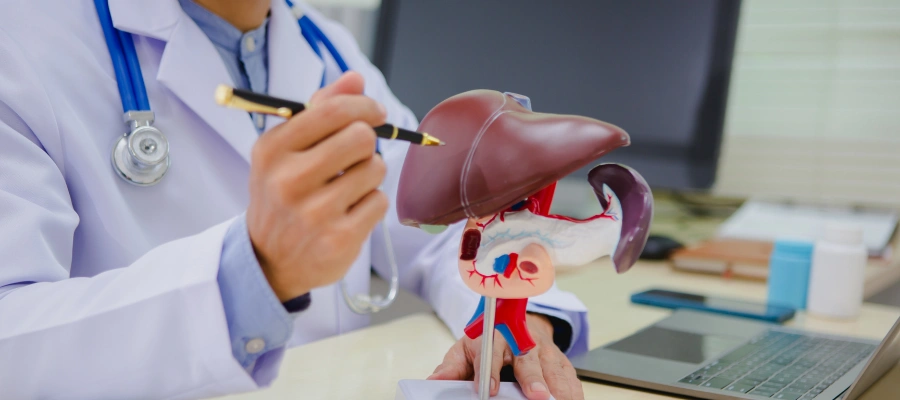
Your body breaks down ethanol mainly in the liver. The amount in your body changes over time, and people process alcohol at different rates.
Some tests measure ethanol itself. Others measure a byproduct of alcohol metabolism, such as ethyl glucuronide (EtG), which can remain detectable after the ethanol is gone.
Explore Addiction Treatment Options at Icarus
How Does a Saliva Test Detect Alcohol Use?
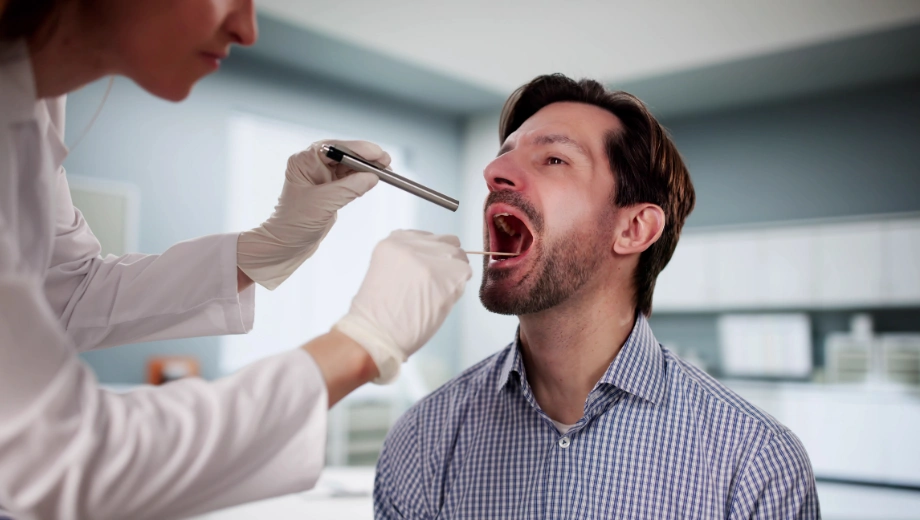
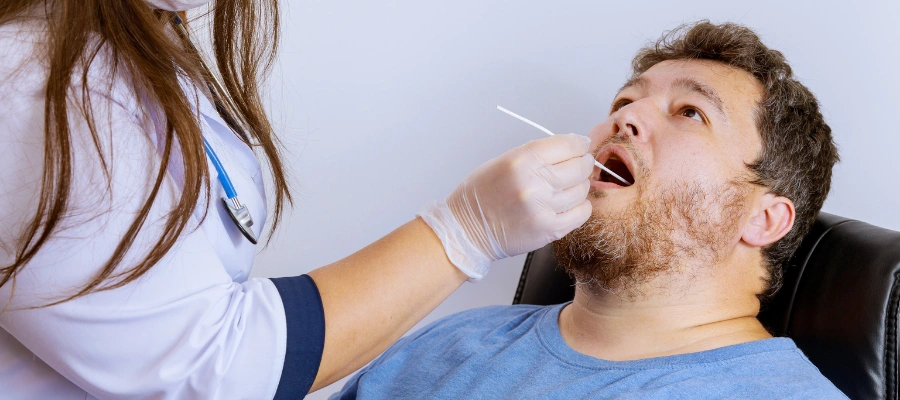
A saliva alcohol screening device uses a sample of oral fluid and reports whether ethanol is present at or above the device’s threshold. The device instructions specify how to collect the sample and when to read the result.
In U.S. Department of Transportation testing, an approved saliva device can be used for screening. A required confirmation test uses an evidential breath testing device. Other settings may follow different protocols.
What Factors Determine How Long Alcohol Stays in Saliva?
There is no single detection window that applies to every saliva alcohol screen. The cutoff and collection method help determine what the test can detect.
A clock estimate cannot tell you how a specific sample will test or whether you are safe to drive.
How Much Alcohol Was Consumed
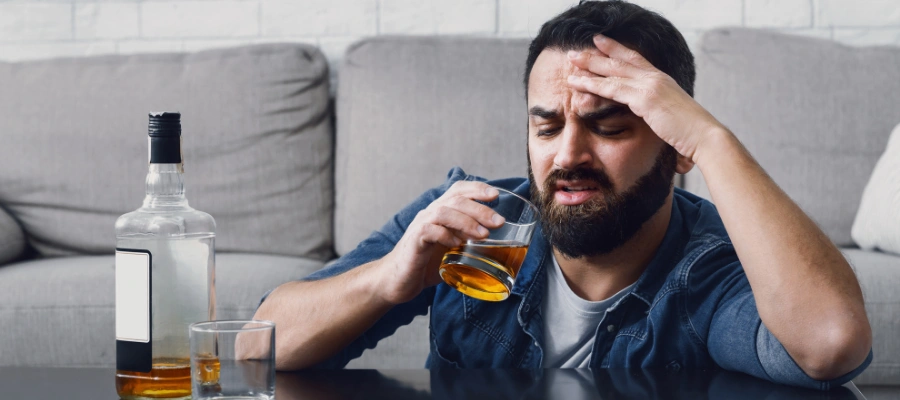
How much you drank and how recently you drank influence the amount of ethanol that may still be present. A larger amount can take longer for the body to clear.
Drinking over several hours also changes the timing. Two people who finished a drink at the same time may have had very different amounts before that last drink.
Your Metabolism
The way your body absorbs and breaks down alcohol varies. Food, body composition and liver health can affect the concentration over time.
Even if you know how many drinks you had, you cannot calculate a reliable saliva result for yourself.
Recent Drinking and Sample Collection
A recent sip of alcohol can leave ethanol in the mouth and affect a sample. Collection instructions help limit that source of error.
Follow the tester’s instructions about eating, drinking and when to provide a sample.
Sensitivity of the Testing Device
A device with a lower cutoff may report ethanol at a concentration another device would miss. Devices also differ in how they collect and report a sample.
Ask which device or laboratory method is being used if you need to understand what a result means.
How Saliva Testing Compares to Other Alcohol Detection Methods
Ask what the test measures and why it was ordered. A screening result can mean something different from a laboratory result or a confirmation test.
The comparison below separates tests that measure ethanol from tests that look for a metabolite.
Breath Test
A breath test measures alcohol in an exhaled sample.
An approved evidential breath device can confirm a screen in regulated DOT testing.
Blood Tests
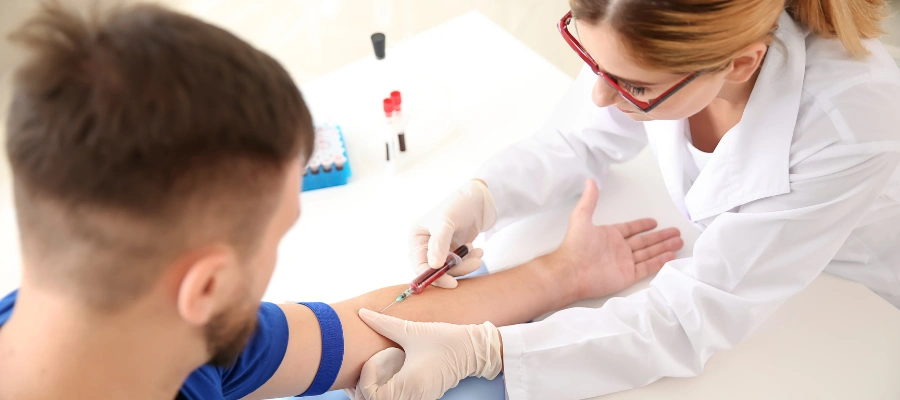
A blood test can measure ethanol concentration in a blood sample.
A clinician may use this result alongside symptoms and examination findings when evaluating intoxication.
Urine Tests
A urine alcohol test can measure ethanol in urine. Other urine tests look for alcohol metabolites.
The test name matters when interpreting a result. Ask whether the lab tested for ethanol itself or a metabolite such as EtG.
EtG Testing
EtG is a product the body makes when it processes alcohol. It can remain detectable in urine after ethanol has cleared.
An EtG result can show exposure. By itself, it cannot tell whether someone is impaired at the time of the test.
Get Accredited Treatment Programs at Icarus
What a Result Can Tell You About Recent Use
Blood alcohol concentration (BAC) refers to how much alcohol is in the blood at the time of the test. A saliva screen and an EtG test do not provide the same information as a measured BAC.
If you have been drinking, use a sober ride. A saliva result or estimate of when alcohol clears is not a way to decide whether to drive.
Why Would a Saliva Alcohol Test Be Used?
A testing program may choose saliva when it needs a quick screen for recent use.
Ask the person or program that ordered the test which result it uses and what happens if a screen needs confirmation.
Employment Screening
Some workplace programs use saliva for alcohol screening. The employer’s policy and any applicable regulations determine the testing procedure.
If your job is regulated by DOT, ask the employer how its screening and confirmation steps work.
Probation Monitoring
A court or supervision program may require alcohol testing. The order or supervising agency determines what tests are used.
Ask your supervising officer or attorney which rules apply to your situation.
Treatment Programs
A treatment program may use testing as one part of an assessment or recovery plan.
Ask the program why it uses a test and how the care team discusses the results with you.
If you think you may have alcohol withdrawal when you cut back or stop, seek medical advice about how to do so safely.
Medicaid and Many Forms of Insurance Accepted
Talk With Us About Help for Alcohol Use
If you are concerned about your drinking, you can ask for support before it affects your job, health or relationships. Icarus Wellness and Recovery offers residential and outpatient treatment in Boise.
Call Admissions to learn more about our programs and talk through your options.
References
- National Institute on Alcohol Abuse and Alcoholism. (n.d.). Alcohol metabolism. https://www.niaaa.nih.gov/publications/alcohol-metabolism
- U.S. Food and Drug Administration. (n.d.). 510(k) substantial equivalence determination decision summary: ALCO-SCREEN Saliva Alcohol Test (K121247). https://www.accessdata.fda.gov/cdrh_docs/reviews/K121247.pdf
- U.S. Department of Transportation. (n.d.). 49 CFR § 40.229. Devices used to conduct alcohol screening tests.
- U.S. Department of Transportation. (n.d.). 49 CFR § 40.231. Devices used to conduct alcohol confirmation tests.