Medically Reviewed By

Dr. Roland Segal, a distinguished psychiatrist, holds the role of Medical Director and medical reviewer at Icarus Wellness and Recovery.
Insurance Accepted
Explore Your Insurance Benefits
Let our admissions team help you understand your coverage and treatment options.
Check My Benefits →Accreditations & Licensing

Please review our Privacy Policy for information about how personal information is handled. Contact our team with questions before submitting sensitive information.
Admissions
Contact Admissions
Pseudoindoxyl Kratom Tablets and the Addictive Effects

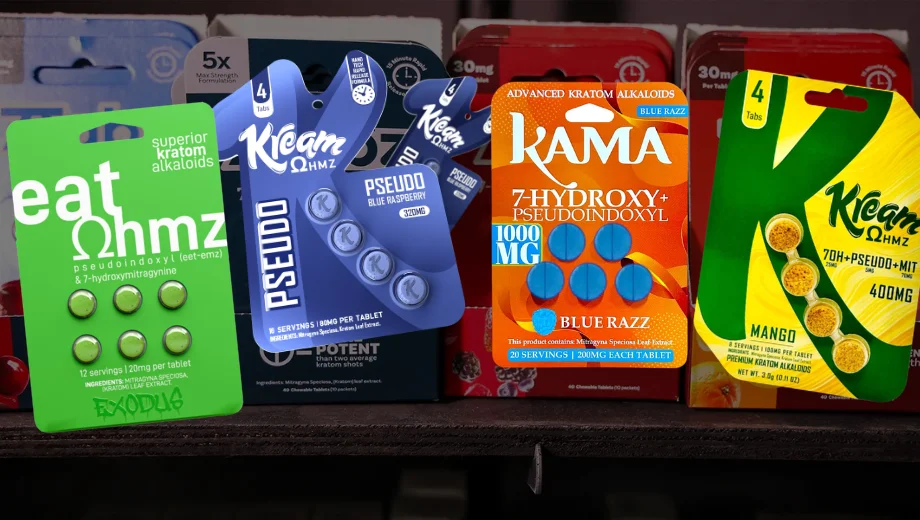
Products sold as “pseudo kratom” can raise concerns about dependence, withdrawal and overdose. The name on a package does not establish the active ingredient or amount. If you are taking these tablets regularly or struggling to cut back, bring the package or a clear photo to a medical appointment so a clinician can help assess the risk.
Explore Addiction Treatment Options at Icarus
What Are Pseudo Kratom Tablets?
“Pseudo kratom” is a marketing term. Some products claim to contain mitragynine pseudoindoxyl, a compound related to kratom alkaloids. Other products may list 7-hydroxymitragynine (7-OH) or use terms such as “enhanced” or “extract.” Concentrated products and plain kratom leaf should be discussed separately.
The FDA warns about added or concentrated 7-OH. Its warning does not confirm the contents of every product sold as “pseudo.” Record the brand, listed ingredients and amount per serving, and tell the clinician when you last used it.
Are Pseudo Kratom Tablets Addictive?
Some concentrated kratom-related products can lead to dependence and problematic use. Signs of concern include needing more for the same effect, struggling to cut down, and continuing to use despite problems. A clinician can assess how the product and the pattern of use are affecting you.

Why These Products Can Be Particularly Risky
A package may provide limited information about the actual ingredients or concentration. Tell a medical professional about alcohol, opioids, sedatives and other medicines you have taken, since those details matter when assessing sedation or overdose risk.
Call 911 if someone cannot be awakened or is breathing slowly or irregularly. Give naloxone if available when opioid overdose is suspected, and follow the dispatcher’s directions.
Understanding How Addiction Develops
Problematic use can develop gradually. You might start taking a tablet to manage discomfort, then find that more of your day revolves around taking it or avoiding how you feel between doses. Describe that pattern to a clinician. It can help them decide what support would fit your needs.
What are the Signs You May Be Addicted to Pseudo Kratom Tablets?

In many ways, the signs that you might be addicted to psuedo kratom tablets mirror the common signs of many other types of addiction. You’ll likely deal with a range of physical, emotional, and behavioral changes over time, which may include some of the points highlighted below.
- Taking larger doses than intended
- Ongoing cravings or compulsive use
- Difficulty stopping use of tablets
- Neglecting responsibilities
- Financial problems related to kratom tablet purchases
- Loss of interest in hobbies or relationships
- Continued use despite negative consequences
Confronting Difficult Withdrawal Symptoms
Restlessness, aches, sleep problems, nausea or irritability after reducing use are reasons to seek a medical assessment. Withdrawal symptoms can reflect physical dependence and do not establish a substance use disorder on their own. A medical clinician can recommend the appropriate setting after reviewing the product, how often you use it and what else you take.
If you need medical withdrawal care, Icarus Wellness and Recovery can help arrange an outside referral. Our Admissions team can discuss ongoing adult treatment once immediate medical needs are addressed.
The Connection Between Kratom Use and Mental Health
Some people take these products to cope with pain, anxiety or low mood. Tell your clinician what you hoped the product would help with. That gives them a starting point for discussing both the substance use and the symptoms you were trying to manage.
Let’s Face This Challenge Together
If it has become difficult to cut back, call Icarus Wellness and Recovery to discuss adult treatment in Boise. Tell Admissions if you are concerned about current withdrawal symptoms so they can help you identify an appropriate next step.

Many Forms of Insurance Accepted
FAQs on Mitragynine Pseudoindoxyl Abuse and Addiction
What are the typical withdrawal symptoms from Pseudo kratom products?
Symptoms can include restlessness, aches, irritability, sweating or trouble sleeping. What you experience depends partly on what you actually took and how often. A medical clinician can assess symptoms and determine whether you need withdrawal care.
How Do Pseudoindoxyl, 7-OH and Kratom Leaf Differ?
Mitragynine pseudoindoxyl and 7-OH are distinct compounds. “Pseudo kratom” on a package does not establish that either compound is present or how much it contains. Bring the packaging to a medical appointment if you have concerns about a product.
Is outpatient treatment for pseudo kratom available?
The appropriate setting depends on an individual clinical assessment. Icarus Idaho offers ongoing addiction treatment but does not provide on-site medical detox or acute withdrawal care. A qualified outside medical provider should assess and manage withdrawal care when needed before admission. Contact our team to discuss ongoing outpatient treatment options and availability.

References
These sources address concentrated kratom-related alkaloid products and the limits of the available evidence. They do not establish the ingredients or potency of an individual product marketed as “pseudo kratom.”
- U.S. Food and Drug Administration. (2025, July 29). 7-Hydroxymitragynine (7-OH): An assessment of the scientific data and toxicological concerns around an emerging opioid threat.
- U.S. Food and Drug Administration. (n.d.). Hiding in plain sight: 7-OH products. Retrieved October 23, 2026.
- U.S. Food and Drug Administration. (n.d.). Products containing 7-OH can cause serious harm.
- Centers for Disease Control and Prevention. (n.d.). Naloxone frequently asked questions.