Are Marijuana and Depression Linked?
Find Guidance and Dual Diagnosis Treatment Options for Depression and Cannabis Use
Table of Contents
ToggleDo marijuana and depression share a link? Many believe that marijuana use can assist with stress management or relaxation. However, people with depressive symptoms or other mental health disorders actually increase their risk factors with cannabis use.
Icarus Wellness & Recovery is a Joint Commission-accredited treatment center with specialized depression treatment programs, including dual diagnosis for depression symptoms with cannabis use disorder. We provide evidence-based, modern care following breakthrough research for long-lasting results.
Any form of cannabis use can have unintended consequences for those with depression, anxiety disorders, or other mental illnesses. Keep reading to learn more about this reality, and remember our caring staff are only a confidential phone call away for immediate support!
The Connection Between Cannabis and Mental Health Disorders
Mental health research has increasingly focused on cannabis use. Scientists want to understand its role in the onset and worsening of mental health disorders.
Current research published by the National Institute on Drug Abuse (NIDA) explains that cannabis use can impact mental health significantly, despite what pop culture opinions or the recreational and medical marijuana industry may claim.
Depressive Symptoms to Watch Out For
Depressive symptoms can include:
- Persistent sadness
- Fatigue or lack of energy
- Low motivation
- Sleep changes
- Changes in appetite or eating habits
- Difficulty with focus or concentration
- Loss of interest in once-beloved hobbies or activities
In some cases, depression symptoms might meet the criteria for major depressive disorder, a serious mental health condition that impedes daily function.
Knowing the Symptoms of a Marijuana Use Disorder
Here are the signs of a cannabis use disorder, which may accompany depression symptoms:
- Unable to cut back or control cannabis use
- Tolerance, or requiring higher doses or more frequent use to achieve the same effects of cannabis
- Continue use despite worsening condition
- Using cannabis to cope with emotional problems
Most people associate these symptoms with recreational cannabis use. However, they can also occur with medical marijuana use, especially when not taken as prescribed.
Get Effective outpatient Rehab Options at Icarus IDAHO
What Are The Public Health Concerns Over Recreational Cannabis Use? (Non-Medical Marijuana Use)
Many have become less aware of the risks of recreational cannabis use in recent years, due to its legalization in some states. Centers for Disease Control and Prevention (CDC) data suggest that cannabis use, especially in adolescents or young adults, may develop an elevated risk of developing tobacco use issues or mental health problems when they reach adulthood.
In fact, a person with depression is almost twice as likely to use marijuana as someone who doesn’t have it. Some people believe that using marijuana provides relief from depression. But at this time, there’s no good evidence that marijuana provides long-term depression relief.
It is worth noting that marijuana use, even medical cannabis, is still illegal in Idaho. In surrounding states where recreational marijuana is legal, the THC content in over-the-counter products can lead to paranoia, anxiety, and mood instability. Lack of knowledge can catch cannabis users off guard.
How Can Cannabis Change Brain Function?
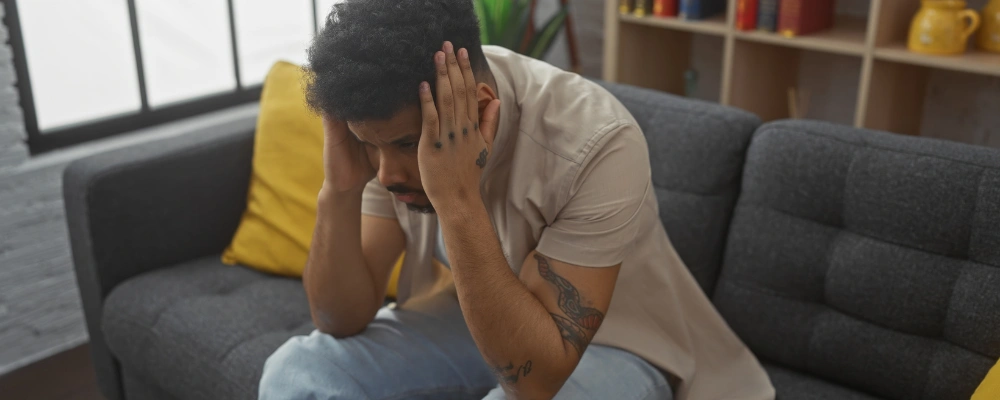
Using cannabis changes brain function by altering the endocannabinoid system, a key system for regulating mood, stress, and rewards. Repeated exposure in heavy users can lead to adverse effects, especially a loss of impulse control and emotional regulation. That can lead to a higher risk of developing cannabis addiction.
The changes to the brain affect mental health conditions differently, depending largely on the user’s age, use habits, and product potency. Mental health professionals suggest that teens who use recreational cannabis are 2 to 4 times more likely to develop other psychiatric conditions, like depression or anxiety. More research is underway on how marijuana may impact brain development in teens or young adults.
Are Marijuana And Depression Linked?
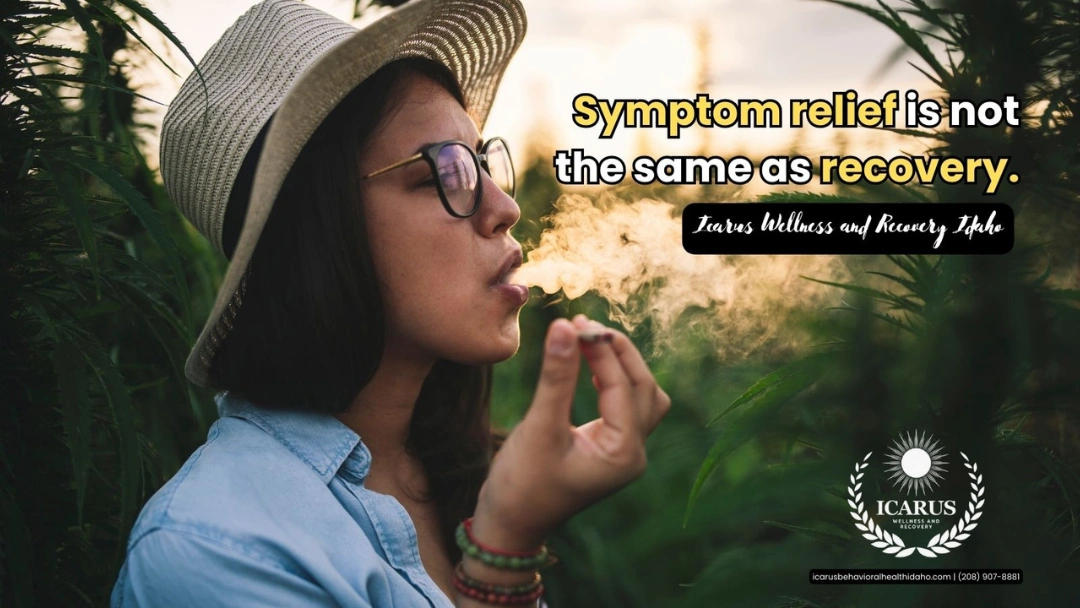
Using marijuana can be addictive, changing from casual use to a substance use disorder. Compelling evidence also shows an association between cannabis use and depression, mood disorders, schizophrenia, psychosis, affective disorders, and anxiety symptoms.
Marijuana adds to depression symptoms, and depressive symptoms add to marijuana use; it becomes a tangled web of drug use and addiction that takes professional approaches to heal. Our dual diagnosis approach to care ensures that you receive treatment for both the cannabis use disorder and the depression, regardless of which you developed first.
Evidence-based treatments for depression and marijuana use include cognitive behavioral therapy and FDA-approved antidepressants as first-line approaches.

Marijuana and the Elevated Risk of Anxiety and Depression
Marijuana use and major depressive disorder often go hand-in-hand.
Some mental health professionals consider marijuana addiction as contributing to worsening anxiety and depressive disorders in some clients. A large review found that heavy users experience higher rates of mood instability. Even worse, they often develop a lower response to medications used to treat depression.
A Note about Suicidal Ideation and Marijuana with Depression
Marijuana can increase one’s risk of suicidal ideation in people with depression. Teens and young adults are the most likely to fall into this category.
It’s important to pause and note here that if you searched for this resource page because you or a loved one is using marijuana and has suicidal thoughts, call 911 immediately.
Using Cannabis and a Higher Risk of Complications in Bipolar Disorder
In people with bipolar disorder, cannabis use can lead to poor recovery. One study reports that heavy cannabis use correlates with quicker mood cycling and reduced adherence to treatment plans.
Cannabis can also hinder mood stabilization and lead to drug interactions or reduce the efficacy of anti-depressant medications.
Cannabis Use and Mood Disorders
Habitual use of marijuana can also worsen mood disorders. One NIH review found that marijuana users may struggle with reduced everyday functioning, have less emotional stability, or become more likely to develop additional addictions.
Cannabis and Alcohol Use Disorder Can Co-occur and Worsen Depression
Marijuana and alcohol use disorders frequently occur together, especially in those seeking to self-medicate the symptoms of depression or anxiety.
That increases the severity of substance use symptoms and functional impairment that impacts all facets of daily life.
Up To 100% of Rehab Costs Covered By Insurance
Find Lasting Recovery from Depression and Cannabis Today
If cannabis use and depression (or other psychiatric disorders) have had a negative impact on your life, it is time to get help.
Treatment for depression, cannabis, and other drugs at Icarus Recovery & Wellness Center focuses on evidence-based therapies to reduce symptoms of substance use disorders and the co-occurring anxiety and depression.
We accept many group health plans and most forms of Idaho Medicaid. Our admissions representative can review and explain your benefits and coverages via confidential call at any time.
Please reach out to our caring staff now for information on our trusted recovery programs.
Recent Post
-
How to Support Someone With CPTSD -
The Idaho Drug Problem: What Cities and Counties Are Most Impacted?
-
What Time Can You Buy Alcohol in Idaho?
-
15 Recovery Journal Prompts (You Can Really Use!)
-
Is Kratom Legal in Idaho?
-
Our REBT Therapy Worksheets and PDF
-
Our IFS Therapy Worksheets and PDF Resources
-
What Happens If You Fail A Drug Test on Probation in Idaho or Nationwide?
-
Can You Check Yourself Out of Rehab?
-
How Long Does Alcohol Stay in Saliva?
-
Does Medicaid Cover Rehab in Idaho?
-
Our Cognitive Processing Therapy Worksheets to Support Recovery
-
What Is The Fentanyl Fold?
-
Can BPD Cause Hallucinations and Psychosis?
-
Does Tricare Cover Dual-Diagnosis Treatment?