Five Antidepressant Drugs You Should Avoid Taking with Alcohol
This page aims to answer a simple but important question: what are the worst antidepressants to mix with alcohol?
Mixing alcohol with various substances always has the potential to be harmful, but some interactions are more dangerous than others. We’ll take a closer look on this page so you can know what to avoid moving forward.
Even when not mixing alcohol and antidepressants, alcohol consumption on its own can be quite harmful. If you or someone in your life is struggling with alcohol use disorder and depressive disorders, please keep reading our resource to learn more about the risks and realities of mixing alcohol with antidepressants.
Get Effective Detox and Rehab Options at Icarus
Why Mixing Alcohol and Antidepressants is Risky
Many people are prescribed antidepressants to treat depression, anxiety, and other mental health conditions. These medications work by altering brain chemistry to stabilize mood, regulate emotions, and improve overall functioning.
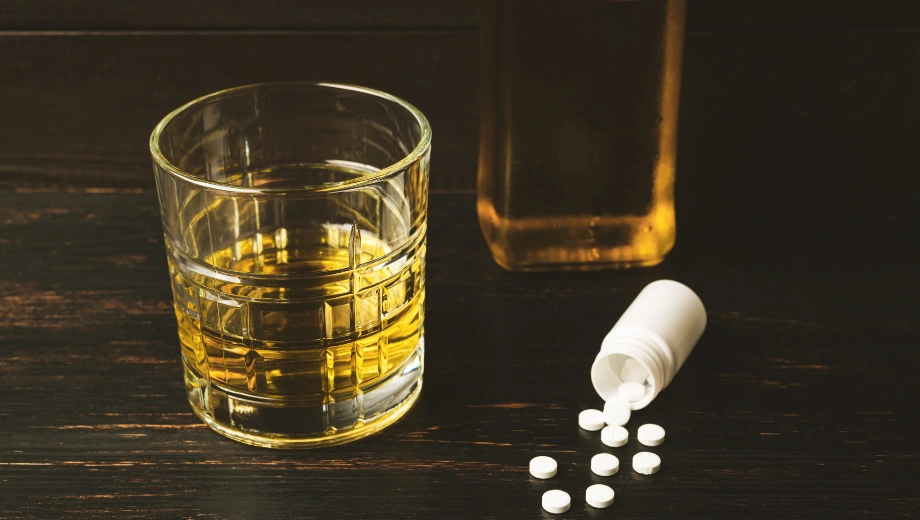
When you drink alcohol, you also affect your brain chemistry. Since alcoholic beverages act as central nervous system depressants, they slow down your brain activity and can interfere with the way antidepressant medications are supposed to work.
A number of specific outcomes are possible, including the following:
- The effectiveness of the medication may be decreased
- Side effects like drowsiness and dizziness may become stronger
- Your coordination and reaction time may be impaired, creating safety risks
- Mood symptoms like depression or anxiety may worsen
It’s not only about reduced effectiveness when taking antidepressants and drinking alcohol. You may also create potentially dangerous reactions with this combination, so it’s critical to understand what is safe and what needs to be avoided at all times, whether you are on antidepressants or other medications.
#1 – Monoamine Oxidase Inhibitors
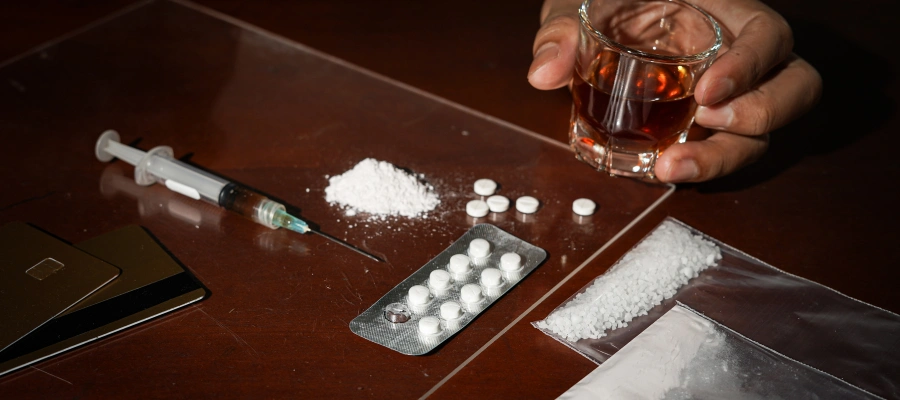
This commonly prescribed class of antidepressant medications is particularly dangerous to mix with alcohol. The name monoamine oxidase inhibitors is often shortened to MAOIs, and some examples of these types of drugs include phenelzine, tranylcypromine, and isocarboxazid.
MAOIs are usually not a starting point for treatment. Instead, this class of drugs is usually used when other antidepressants have not been effective. These medications work by blocking an enzyme that breaks down certain neurotransmitters in the brain.
The problem comes in when certain types of alcohol, specifically red wine and beer, enter the picture. Those alcohols contain a substance called tyramine that interacts with MAOIs to cause a sudden spike in blood pressure. Because of this risk, people who are taking MAOIs are generally recommended to avoid drinking alcohol entirely for safety.
#2 – Tricyclic Antidepressants
This is another category of antidepressant medications that can be risky to combine with alcohol. Some of the tricyclic antidepressants that are often prescribed include amitriptyline, nortriptyline, and imipramine. When taken properly for depression symptoms, these drugs affect multiple neurotransmitters in the brain and can effectively treat both depression and certain types of chronic pain.
Again, problems come into the picture when alcohol is added. Both alcohol and tricyclic antidepressants can cause sedation. Using them together may intensify drowsiness and impair judgement, leading to the potential for accidents, falls, and other dangerous situations. It’s also possible to experience heart rhythm problems or dangerously low blood pressure when mixing these two.
The exact impact of mixing tricyclic antidepressants and alcohol will vary from one individual to the next. However, since it’s impossible to know how it will impact you and your health, the best course of action is simply to avoid alcohol completely.
#3 – Selective Serotonin Reuptake Inhibitors
With SSRIs, we see one of the most commonly prescribed types of antidepressants. Drugs in this class include fluoxetine, sertraline, and paroxetine.
One of the big reasons for the popularity of these drugs as a part of mental health treatment efforts is their perceived safety. Compared to some of the other medications available for depressive disorders, SSRIs are considered to have fewer side effects.
With that said, don’t make the mistake of thinking that drinking alcohol is without risk just because you are on SSRIs.
There are still many risks of mixing alcohol with SSRIs, including the following –
- Increased drowsiness or fatigue
- Impaired coordination and concentration
- Worsening symptoms of depression
- Increased anxiety or irritability
In addition to these concerning issues, there is the reality that using alcohol may cause your SSRI medication to not work as effectively. You might mistakenly believe that your medication isn’t working well, when in reality, it’s just the alcohol that is counteracting the medication and blunting its effectiveness.
#4 – Serotonin Norepinephrine Reuptake Inhibitors
This next category of drugs is another one that is extremely popular in the world of prescription medications for depression treatment. A couple of the drugs on the market today that fall into this class are venlafaxine and duloxetine. By affecting two key neurotransmitters in the brain that regulate mood and emotional responses, SNRIs have been shown to achieve excellent results.
The impact that you will experience if you choose to drink alcohol while on these medications is very similar to what we have seen in the other categories. There is the potential for increased dizziness, fatigue, and impaired judgment. Some people will also experience changes in blood pressure.
Another worry with SNRIs and alcohol use is an increased risk of liver stress. This is particularly true for people who drink heavily or regularly while on such drugs.
As has been the case throughout this page, avoiding alcohol use is the only reliable way to make sure there are no dangerous or harmful interactions between the medication and alcohol.
#5 – Atypical Antidepressants
Other antidepressants that treat major depressive disorder are also on the market, which don’t fit neatly into any of the categories we have discussed so far. You may see these referred to as atypical antidepressants, of which bupropion is likely the most popular. This medication works differently from other antidepressants and can also be used to help people quit smoking.
There is a concern of an increased risk of seizure when drinking alcohol and taking bupropion. You may also find that the combination of the two worsens your mood swings, adds to agitation, and promotes impulsive or aggressive behavior. Doctors prescribing bupropion typically recommend avoiding alcohol altogether to eliminate these risks during treatment.
Alcohol Can Make Depression Worse All On Its Own
So far, we have focused primarily on the medication interactions that can occur between antidepressants and alcohol. These can be serious and should be respected as a reason to choose not to drink during this time.
With that said, there is also the matter of what alcohol can do to depression that needs to be considered. Even without medication interactions, alcohol can negatively affect mental health. Drinking can create a short-term sense of relaxation or relief, but that sensation doesn’t last long.
Ultimately, regular use of alcohol is associated with problems like increased depression symptoms, higher anxiety levels, poor sleep quality, and emotional instability.
So, if you are already facing depression and are taking antidepressants for it, you’ll be giving yourself an uphill battle by adding alcohol to the mix. It makes an already difficult condition to overcome even more daunting. Stopping alcohol use won’t automatically cure your depression, of course, but it can make the road a little smoother.
Knowing When Alcohol Consumption Has Become a Problem
Even occasional drinking while using antidepressant medication can be risky for the reasons already outlined on this page. But when that drinking slides into the category of alcohol use disorder, things get even worse.
Alcohol misuse can interfere with progress in therapy, it can make your medications less effective, and it can make it hard to simply function each day. You’ll be at a greater risk of problems like relationship conflicts and accidents, and your mental health symptoms will likely continue to decline.
In this case, treating your alcohol use disorder directly becomes part of the treatment for depression. No longer are the two seen as separate entities, but rather they are part of the same problem. Your drinking may stem from your depression, and targeting one without the other is destined to be ineffective.
Seeking out a treatment program that serves people who have both mental health challenges and substance use issues may be the best way to move forward, and our dual diagnosis programs at Icarus Wellness and Recovery are both evidence-based and trauma-informed.
Up To 100% of Rehab Costs Covered By Insurance
Get Support for Alcohol Misuse at Icarus Wellness & Recovery
Don’t keep putting off dealing with your alcohol consumption problem. Alcohol abuse can take a toll on every part of your life, and combining alcohol with antidepressants can make things even worse.
You (or a loved one you see struggling) do not have to continue down this path, and getting professional help is the best way to steer your life in a new direction.
So pick up the phone now and call us confidentially at Icarus Wellness & Recovery in Boise. Don’t worry about what time of day or day of the week it might be, as we are always available and ready to help.
Alcohol and substance abuse typically get worse over time without proper intervention. Choose today to get proven support in your corner with the help of our caring staff!
References
- Mayo Clinic Staff. (2022, September 23). Antidepressants: Selecting one that’s right for you. Mayo Clinic.
- Sheffler, Z. M., Patel, P., & Abdijadid, S. (2023, May 26). Antidepressants. In StatPearls. StatPearls Publishing.