Our Prescription Drug Rehab Idaho Programs
Medically Reviewed By

Dr. Roland Segal, a distinguished psychiatrist, holds the role of Medical Director and medical reviewer at Icarus Wellness and Recovery.
Insurance Accepted
All information shared with our team is protected under HIPAA. We will never share your personal information without consent.
Admissions
Accepting Admissions 24/7
Program Statistics
Table of Contents
ToggleGet Help for Prescription Drug Addiction at Icarus in Idaho
Prescription drug addiction has been a growing concern over the last two decades, with states like Idaho seen as particularly problematic because of its remote location. Geographically located in an area that’s not considered a primary thoroughfare for illicit substances like heroin, meth, and cocaine—users often turn to prescription drug abuse, using primary care physicians and specialists as makeshift suppliers to fuel their hunger for prescription drugs.
In 2017 alone, Idaho experienced a staggering 103 prescription-drug-related overdose deaths—most notably those involving opioids. Unfortunately, the problem extends far beyond painkillers, with a plethora of other prescription medications that lead to mental and physical dependence.
Icarus Behavioral Health in Idaho provides comprehensive drug addiction treatment for opioid use disorder and other prescription drug misuse. If you or someone you love suffers from one of the many forms of prescription drug abuse, this article outlines how our drug addiction treatment program can help you navigate the path to long-term recovery.
Understanding Prescription Drug Addiction
Prescription drug abuse includes a wide range of different medications that carry distinct effects and a high risk of misuse. The most widely abused types of prescription drugs include:
Opioids/Painkillers
Opioid addiction is by far the most common issue regarding prescription drug addiction. Pain relief medications come in all shapes and sizes, with various strengths measured in milligrams, and can include opiate or opioid substances.
Every opiate is an opioid, but not every opioid is considered an opiate. Opiate substances are derived directly from all-natural ingredients sourced from the poppy plant. Common opiate prescription drugs include:
- Codeine
- Morphine
- Although technically not a prescription medication, heroin is also considered an opiate.
Opioids, on the other hand, are synthesized from natural ingredients in a lab, creating a formulation that mimics the action of an all-natural opiate substance. Common opioids include:
- Oxycodone (Percocet)
- Hydrocodone (Vicodin)
- Fentanyl
- Oxymorphone
- Oxycontin
- Dilaudid
- And many others
Another problematic form of prescription drug abuse lies in the stimulant category. Stimulants have a wide-ranging number of uses and are highly addictive.
Negative Impact of Opioid Prescription Drug Addiction
The most significant risk of prescription drug addiction to opioids is the high risk of physical dependence. When it comes to drug addiction treatment for opioids, it’s almost always necessary to participate in an inpatient or outpatient medical detox program.
The most severe prescription drug addiction challenges involving opioids include:
- High affinity for experiencing severe withdrawal
- Cardiovascular challenges
- High risk of overdose/death
- Respiratory depression
- Complications with dopamine and other vital receptors
- Increased odds of transition to heroin or fentanyl
Stimulants
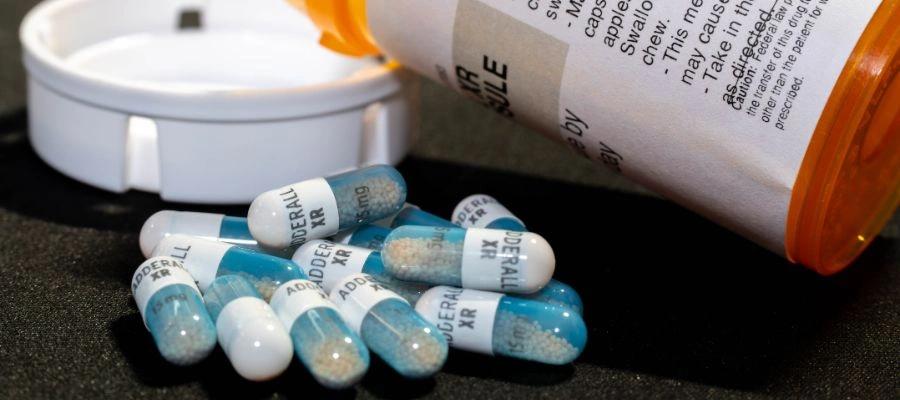
Stimulants fall under prescription drugs that speed up the central nervous and other bodily systems. Because these prescription drugs are written for such a wide variety of different conditions—especially in children and young adults, the risk of drug abuse from a young age exists for those who depend on them.
Some of the most common stimulants include:
- Tirzepatide (Zepbound)
- Liraglutide (Xaxejda)
- Benzphetamine (Didrex)
- Phentermine (Apidex-P, ProFast)
The substances mentioned above are generally prescribed for weight loss. A separate class of stimulants exists that are equally, if not more, popular among those addicted to prescription drugs. Some of the following medications, generally prescribed for ADHD, is amphetamine—a very close version of methamphetamine, the popular illicit drug also known as ice:
- Adderall
- Vyvanse
- Ritalin
The stimulants above are commonly prescribed to children and young adults for ADHD. This practice is questionable, considering the high risk of addiction that accompanies these medications.
Negative Impact of Stimulant Prescription Drugs
Stimulant prescription drugs might not bring the physical withdrawal that opioids manifest, but they certainly have a significant degree of adverse side effects:
- Heart problems
- Increased blood pressure
- Cardiovascular challenges
- Psychosis
- Hallucinations
Find Proven Prescription drug Treament at Icarus Idaho
Benzodiazepines
Benzodiazepines are a commonly prescribed variety of prescription drugs that act to reduce anxiety and chronic panic attacks. While this sounds innocent enough, the reality is drug abuse involving benzodiazepines can be fatal when contending with the dreaded withdrawal symptoms.
Benzos act on the chemical in the brain known as GABA, which controls the body’s response during panic or nervousness. The most common benzos include:
- Clonazepam (Klonopin)
- Alprazolam (Xanax)
- Valium
- And others
Out of all of the medications with the potential for substance abuse, benzos rank among the highest when it comes to the need for addiction treatment. Some of the potential complications after long bouts of substance abuse with benzos include:
- Intense cravings
- Memory problems
- Brain fog
- Tremors
- Seizures
- Death
Besides alcohol, benzos are the only substance that triggers potentially fatal side effects. If you or someone you love is struggling with substance abuse involving any of the drugs mentioned above or alternative forms of benzos, you must find the correct form of addiction treatment today.
Our prescription drug rehab at Icarus Behavioral Health in Idaho consists of some of the most potent substance abuse treatment methods for those looking for solutions for drug dependence. So, what does treatment at Icarus look like for those seeking drug rehab for stimulants, opioids, or benzos?
Comprehensive Treatment Programs at Icarus

Icarus Behavioral Health utilizes a range of proven methods to address addiction, prioritizing long-term recovery and holistic well-being:
- Medication-Assisted Treatment (MAT): A strategic combination of FDA-approved medications and therapy designed to ease withdrawal symptoms and curb cravings.
- Cognitive Behavioral Therapy (CBT): Aims to reshape negative thought patterns and behaviors tied to substance use. The primary goal is to change the way we feel about adverse events in our lives, gaining the understanding that they don’t always require an adverse reaction.
- Dialectical Behavior Therapy (DBT): Focuses on managing emotions and improving interpersonal relationships, especially for those with co-occurring mental health issues. This treatment allows you to manage your responses to negative situations better, and not every event requires a negative response. It teaches us about the power to decide the outcome of usually overwhelming situations.
- Eye Movement Desensitization and Reprocessing (EMDR): Helps individuals process and heal from underlying trauma that may fuel addictive behaviors. Clients relive the trauma that caused the addiction, forcing themselves to work through the process mentally.
- Holistic Therapies: Encourages art therapy and outdoor exploration activities to enhance emotional and physical health during recovery. Client favorites include equine therapy, yoga, surf therapy, and mindfulness techniques

Medicaid and Many Forms of Insurance Accepted
Overcome Prescription Drug Abuse at Icarus in Idaho
Regardless of whether you abuse prescription stimulants, benzos, or opioids, our compassionate team of experts is well-trained in prescription drug treatment.
Combined with our attention to mental health, we’re well equipped to handle dual-diagnosis situations to treat any substance use disorder involving prescription medicines with a plethora of potential mental health challenges acting as the trigger.
For more information, please contact a member of our admissions team today. All calls are confidential, so please don’t hesitate to reach out for support options now!
FAQs About Prescription Drug Abuse in Idaho
Prescription drug rehab is treatment for people struggling with misuse of medications such as opioids, benzodiazepines, stimulants, or other prescription substances. Treatment may include assessment, therapy, relapse prevention, mental health support, medication review, and aftercare planning. Care should be individualized based on the substance and clinical needs.
Withdrawal risks depend on the medication, dosage, duration of use, medical history, and whether other substances are involved. Withdrawal from some prescription drugs can be medically serious. Anyone with severe symptoms, seizure risk, confusion, suicidal thoughts, or medical distress should seek immediate medical support.
Yes. Prescription drug misuse may occur alongside anxiety, depression, trauma, chronic pain, sleep issues, or other mental health concerns. When both substance use and mental health symptoms are present, dual diagnosis treatment may help address the full clinical picture.
The appropriate level of care depends on the medication involved, withdrawal risk, mental health symptoms, relapse history, medical needs, and home environment. Some people may need detox or residential care, while others may be appropriate for PHP, IOP, or outpatient treatment.
Insurance may cover prescription drug rehab when benefits are available and the recommended services meet medical necessity and payer requirements. Coverage depends on the specific plan, authorization rules, provider status, deductible, copay, and coinsurance. Verification can help estimate benefits but does not guarantee payment.
Written and Reviewed by
-
Medical Reviewer: Dr. Roland Segal
Dr. Roland Segal, a distinguished psychiatrist, holds the role of Managing Partner and MD Psychiatrist at Synergy Mental Health and Wellness Integrate...
-
Writer/Author: Jennifer Trimbee, RN
Jennifer Trimbee is a registered nurse and healthcare writer who enjoys exploring the intersection of wellness, mental health, and everyday life. She...
-
Clinical Reviewer (LCSW/PMHNP): Jeremy Edwards, PMHNP
My name is Jeremy Edwards. I am a board-certified Psychiatric Mental Health Nurse Practitioner with over 15 years of experience in the behavioral heal...
Recent Post
-
Relapse Autopsy Worksheet and PDF -
Are Pseudo Kratom Tablets Addictive?
-
Does St. Luke's Health Plan Cover Addiction Treatment in Idaho?
-
Our Trauma Timeline Worksheet Resources
-
Finding Support Groups for Families of Addicts in Idaho
-
What Are the Worst Antidepressants to Mix with Alcohol?
-
Why Do Addicts Relapse When Things Are Good?
-
How to Support Someone With CPTSD
-
The Idaho Drug Problem: What Cities and Counties Are Most Impacted?
-
What Time Can You Buy Alcohol in Idaho?
-
15 Recovery Journal Prompts (You Can Really Use!)
-
Is Kratom Legal in Idaho?
-
Our REBT Therapy Worksheets and PDF
-
Our IFS Therapy Worksheets and PDF Resources
-
What Happens If You Fail A Drug Test on Probation in Idaho or Nationwide?