The Correlation And Side Effects of Alcohol And SAD Symptoms
In our beautiful home state of Idaho, stunning surroundings and natural wonders are part of a package deal that comes along with a long, often very cold, Winter season.
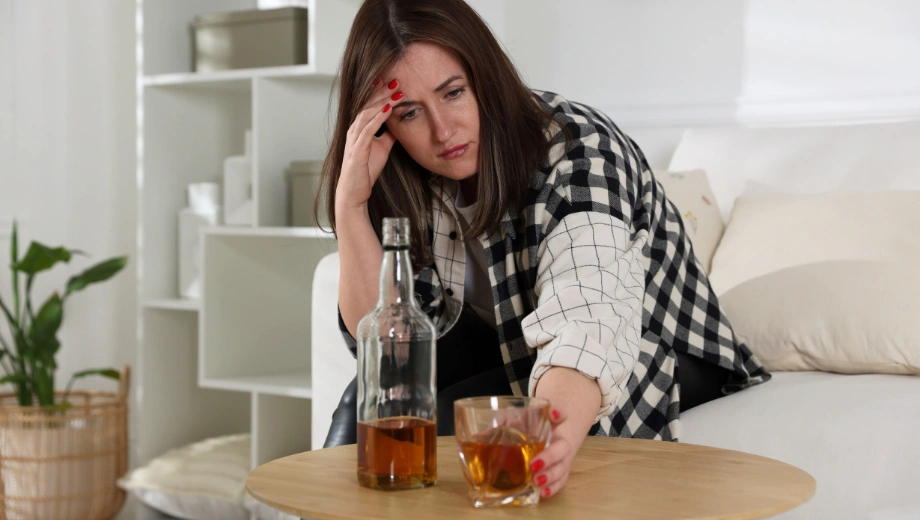
The winter months can be challenging for various reasons, including shorter days and reduced sunlight. (Not to mention all that ice on your windshield). For many of our friends and neighbors in the Gem State, the Winter can lead to seasonal depressive disorders and an increase in drinking alcohol.
But is there a definite link between Seasonal Affective Disorder and alcohol abuse?
As we touched one above, Seasonal Affective Disorder (SAD) causes major depressive symptoms during a specific season, most often the winter months.
It can lead people to self-medication with alcohol due to carb cravings or low mood. And this destructive form of coping also worsens the symptoms of SAD in the long run.
At Icarus Wellness and Recovery in Boise, our programs provide support for both mental health and substance abuse. We believe in a holistic approach to your care, accounting for both aspects of your wellness.
Keep reading to learn how Seasonal Affective Disorder interacts with alcohol to prolong symptoms, and remember our caring team is available at any time for a confidential consultation.
What Causes Seasonal Affective Disorder (SAD)?
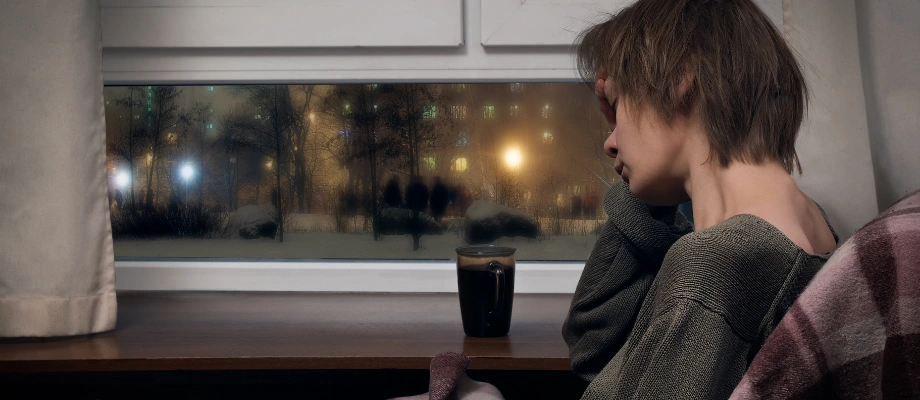
Seasonal affective disorder occurs when someone has cyclical patterns to their depression, with most symptoms surfacing during the fall and winter months. Their mood might feel perfectly balanced in the spring and summer months when light is plentiful.
Symptoms of seasonal depressive disorders include depressed mood, low energy, and longer sleep times. Whereas you may be highly productive during the warmer months, your productivity may feel impossible when SAD sets in.
You might experience all of these symptoms:
- Loss of interest in activities that you used to enjoy
- Sluggishness and difficulty with physical activity
- Carbohydrate cravings and overeating, which lead to weight gain
- Difficulty concentrating
- Feelings of hopelessness, guilt, or worthlessness
- Thoughts of suicide or self-harm
The Diagnostic and Statistical Manual groups seasonal affective disorder with other major depression symptoms due to the overlap.
However, you must experience these symptoms for two years in a row with remission of symptoms in between depressive episodes.
Explore Addiction Treatment Options at Icarus
Is There a Genetic Link or Does Family History Matter in Diagnosis?
If you have a family member who has experienced depression or SAD, you are at a greater risk of the same diagnosis. According to research, a genetic link is common with seasonal depression, but the exact mechanism remains to be proved.
First-degree family members (parents and siblings) are more likely to share a similar diagnosis. In some studies, researchers have found that 15 percent of those who have SAD symptoms will also have a first-degree relative with the same diagnosis.
There is also a possibility that your first-degree relatives will have other mood disorders, such as bipolar or schizoaffective disorder, concurrently. This puts you at a greater risk of experiencing the same symptoms.
How Does Alcohol Use Impact Depressive Symptoms Seasonally?
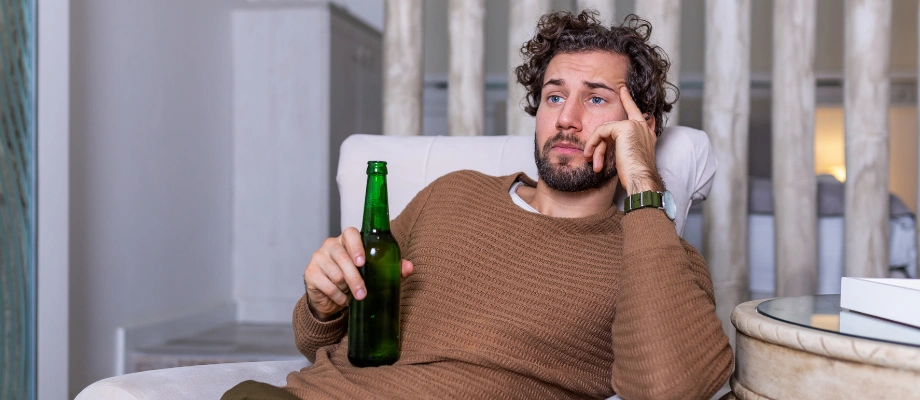
Unfortunately, the connection between worsening mental disorders and routine use of alcohol is quite clear. Depressive disorders are common among those with alcohol use disorder, including those who have a SAD diagnosis. However, the interplay between the two conditions is complex and may require professional help.
The question is: how does substance abuse impact this type of seasonal mental health condition?
Are You Self-Medicating Depressive Disorders with Alcohol Abuse?
One of the first factors to consider when you notice a seasonal pattern to your drinking is whether you may actually be attempting to manage the symptoms of SAD. If you tend to drink more during the winter months, take a moment to reflect on why that is.
While some people drink socially during the holidays, be honest about what drives you to the bottle. With an underlying seasonal affective disorder, it could be that self-medication is the most obvious reason for this type of drinking.
Even if you haven’t been diagnosed with Seasonal Affective Disorder, it might be worth exploring during treatment. The problem with drinking to mitigate SAD symptoms is that it can actually worsen all of the symptoms that you’re attempting to mask in the long run.
Alcohol-induced depression is real, and you might experience a more intense feeling hours later. For those with bipolar disorder that tends to lead to depression in the winter, drinking could trigger periods of hypomania or mania when not under control.
Get Accredited Treatment Programs at Icarus
Why Do People with Major Depression Crave Alcohol?
Seasonal affective disorder and alcohol often go hand in hand, but most people don’t know why. In addition to the depressive symptoms that you’ll experience with SAD, you also have a lesser-known effect: carbohydrate cravings. The deeper you sink into major depressive disorder, the more you may crave carbs.
Most people who crave alcohol to manage symptoms have cravings for options with more carbs. While some liquors may have no carbs at all, beer and mixed drinks tend to be quite high.
Seasonal depression may increase your desire to engage in unhealthy eating patterns, which only serve to worsen drug and alcohol addiction. You’ll need to resist this symptom when it comes to eating habits, especially if you want to avoid weight gain or unhealthy ongoing patterns.
Treatment for Mental Disorders and Seasonal Affective Disorder

While genetics impact seasonal depression, it’s worth noting that there are lots of things you can do to counteract the depression before it ends in alcohol abuse. Knowing the available options to control mood disorders is key.
When in doubt about what the right option is for you, consult with a mental health professional. They can steer you toward an appropriate treatment, therapy, and program to help with both aspects of your care.
Light Therapy for Depression and Bipolar Disorder: A Quick and Easy At-Home Treatment
One of the main reasons why people experience winter depression is due to the lack of sunlight. The days are shorter, the sun sets sooner, and their world is plunged into darkness. It’s a depressing time, even though it means the holidays are just around the corner.
Light therapy involves sitting in front of a 10,000 lux light for 10 to 15 minutes a day. A high-quality light box replicates the sunlight that’s in short supply during winter. Not only does it improve mood and give you a small boost, but it also helps with the physical symptoms of depression, like sleep patterns.
Be aware that those with bipolar disorder should use this with caution. While it helps with a depressed mood, it can also trigger mania if done in excess. Consult a psychiatrist before you begin using a light box to be on the safe side.
Seeking Professional Help for Alcohol and Drug Abuse

Recurrent major depressive disorder that happens each winter may require more professional help. If you fall into alcohol abuse as part of your symptoms of SAD, you might require professional help from experienced and compassionate clinicians like those at Icarus Wellness and Recovery.
We can help you find new coping skills for both seasonal affective disorder and substance use disorder. All of our therapies are evidence-based, and we offer help in both individual therapy and peer support groups.
Our doctors can also offer medication management so that you can have support for your depressive symptoms without risk of addiction. You’ll be in a safe environment where you won’t turn to alcohol or drug use again. It can provide the space you need at an inpatient or outpatient level.
Medicaid and Many Forms of Insurance Accepted
Start to Overcome Symptoms with Icarus Wellness and Recovery
When you’re ready to face down your seasonal affective disorder and alcohol use, it might be time to consider professional help. Icarus Wellness and Recovery offers help for substance use disorder and mental illness, including depressive disorders.
Our enrollment team is always available to answer your questions about care. We can even verify your insurance benefits in a quick call so that you know what to expect. We accept private insurance and Idaho Medicaid to make care as accessible as possible.
Give us a call to discuss current availability, clinical fit, and treatment options.
References
- U.S. Department of Health and Human Services. (n.d.). Seasonal affective disorder. National Institute of Mental Health.
- U.S. National Library of Medicine. (n.d.). Seasonal affective disorder: MedlinePlus Genetics. MedlinePlus.
- Sher L. (2004). Alcoholism and seasonal affective disorder. Comprehensive psychiatry, 45(1), 51–56.
- Morales-Muñoz, I., Koskinen, S., & Partonen, T. (2017). Seasonal affective disorder and alcohol abuse disorder in a population-based study. Psychiatry research, 253, 91–98.
- Corliss, J. (2022, October 28). Light therapy: Not just for seasonal depression?. Harvard Health.