Heroin Addiction Treatment in Boise

Quick Answer
Heroin detox requires medical supervision to safely manage withdrawal symptoms, which can be severe after prolonged use. Icarus Wellness and Recovery does not currently provide on-site medical detox. If detox is clinically appropriate, our admissions team can help determine whether an outside medical detox referral, hospital evaluation, or medical-clearance step should occur before treatment at Icarus Idaho.
Contact Admissions208-907-8881 Privacy Information

Medically Reviewed By

Dr. Roland Segal
Dr. Roland SegalM.DPsychiatrist · Forensic Psychiatry
Dr. Roland Segal, a distinguished psychiatrist, holds the role of Medical Director and medical reviewer at Icarus Wellness and Recovery.

Find Accredited Heroin Treatment Programs at Icarus in Idaho

Icarus Wellness and Recovery in Boise provides ongoing addiction treatment and does not provide on-site medical detox or acute withdrawal care. If an outside medical evaluation, detox referral, or clearance is appropriate, it should occur before admission. Contact our team to discuss treatment options and medication needs before starting care.

How Drug Abuse Becomes Opioid Dependence

Heroin use often starts with experimenting with drugs for recreational reasons or as a substitute for prescribed painkillers like Percocet. The drug is a full opioid agonist, fully activating the brain’s mu-opioid receptors. That means it produces intense effects like euphoria and pain relief, making it highly addictive.

As the body develops tolerance to opioid drugs, users need to use more heroin and at greater frequencies to achieve the same effect. That leads to an increased likelihood of overdose. By this time, cessation can lead to severe side effects and drug cravings; the person needs professional treatment for heroin detox.

Why Is Quitting Heroin or Other Opioids Cold Turkey Risky?

Home heroin detox, or quitting cold turkey, may sound like a brave idea, but it’s also risky. Without the support of qualified professionals who understand detox treatment for heroin, withdrawal symptoms can lead to dangerous complications.

Medical detox and acute withdrawal care, when needed, take place in an appropriate outside medical setting. Icarus Idaho does not provide these services on site. Once a person is medically stable and clinically appropriate for admission, our program can provide ongoing addiction treatment and recovery support.

Common Heroin Withdrawal Symptoms

Not all people will experience withdrawal symptoms in the same way. Each person entering detoxification has a unique body and body chemistry that influences their response to heroin detox.

The following are examples of symptoms people may experience during withdrawal:

Early Symptoms of Opioid Withdrawal (First 7 Days)

These opioid withdrawal symptoms usually start within 6 to 12 hours after last use and peak around 2 to 3 days:

  • Anxiety or restlessness
  • Intense drug cravings
  • Muscle aches, joint pain, or tenderness
  • Excessive yawning
  • Sweating and chills; body temperature changes
  • Runny nose and watery eyes
  • Insomnia or disturbed and restless sleep
  • Nausea and vomiting
  • Diarrhea
  • Abdominal cramps
  • Goosebumps (the ‘cold turkey’ effect)
  • Dilated pupils and light sensitivity
  • Rapid heartbeat (also called tachycardia)
  • Suicidal or self-harm thoughts (life-threatening)

Continued Common Withdrawal Symptoms (1 Week to 1 Month)

These heroin withdrawal symptoms are less intense than the early symptoms but can last a few weeks:

  • Mood swings or irritability
  • Depression or emotional numbness
  • Low energy and chronic fatigue
  • Ongoing insomnia
  • Trouble concentrating (“brain fog”)
  • Intermittent drug cravings
  • Difficulty experiencing pleasure (anhedonia)
  • Increased sensitivity to stress
  • Appetite changes
  • Anxiety or social withdrawal

Not all heroin users will experience all the withdrawal symptoms. Many have fewer, but more intense, heroin withdrawal symptoms, while others have more significant struggles for several weeks as they end physical dependence.

Get Effective outpatient Rehab Options at Icarus IDAHO

Opioid Drug Dependence Is a National Problem

The Substance Abuse and Mental Health Services Administration (SAMHSA) conducts an annual survey called the National Survey on Drug Use and Health. They ask Americans over the age of 12 to self-identify any issues with alcohol or drug abuse within the past year. Their 2023 research shows the following results:

Opioid Drug Use

  • 9 Americans, totalling about 3.1% of the population, had misused opioids.
  • 6 million misused prescribed pain relief medications
  • 2 million did not identify heroin use but identified using other opioids
  • 336,000 of those surveyed misused both prescribed medications and used heroin

Heroin Use

  • 5% of people surveyed claimed heroin usage was a problem
  • Heroin use was greater in adults over age 26 (0.6% surveyed) than in young adults and adolescents

Opioid Use Disorder

  • 1 million, or about 0.8%, admitted to having an opioid use disorder.
  • That number includes both heroin use and prescription pain reliever use, without a precise breakdown

The SAMHSA data shows the need for safe, effective medication-assisted treatment for heroin and opioid recovery.

Professional Heroin Addiction Treatment Supports Long-Term Recovery

If you’re ready for lasting sobriety, it’s essential to find professional help. Icarus Behavioral Health has helped many patients break the harmful cycle of drug abuse by creating evidence-based and holistic treatment plans for our patients.

Each client at our facility receives fully customized treatment programs. For instance, a pregnant woman who comes for treatment would receive the necessary psychotherapy and behavioral care. She’d also have a nutrition program different from others in the treatment center and additional counseling specifically for mothers.

Keep reading to learn about the most important aspects of getting addiction help.

External Medical Detox Before Admission

Medical detox and acute withdrawal care, when needed, take place in an appropriate outside medical setting. Icarus Idaho does not provide these services on site. Once a person is medically stable and clinically appropriate for admission, our program can provide ongoing addiction treatment and recovery support.

Medication-Assisted Treatment for Ending Heroin Use

Medication decisions require assessment by a qualified prescriber. The discussion of medication options on this page is general education; contact the admissions and clinical teams to confirm which services are available and appropriate before admission.

Medication-Assisted Treatment for Ending Heroin Use

Medication-assisted treatment (MAT) is an evidence-based method combining behavioral counseling and FDA-approved medications. The medications target the same opioid receptors as heroin to reduce cravings and reset the brain to its usual state. It’s a very effective approach for patients ready to leave heroin addiction or alcohol abuse behind them.

Methadone Treatment for Heroin

Methadone is a full opioid agonist relied on in many MAT programs. It helps treat pain and manage withdrawal symptoms in people in heroin recovery.

Methadone helps stabilize clients as they begin therapies and is especially effective for people with a history of injecting drugs. When taken under medical supervision, methadone treatment reduces the desire to use heroin.

Buprenorphine Treatment for Opioid Use Disorder

Buprenorphine is a partial opiate agonist, activating the opioid receptors a bit less than full agonists like heroin. Buprenorphine is very effective for reducing cravings and withdrawal symptoms without producing the same euphoria as heroin or street opioids.

Suboxone Treatment for Ending Heroin Abuse

Suboxone contains two medications – buprenorphine and naloxone, an opioid antagonist that can cause nausea and vomiting if misused.

Suboxone blends a partial opioid agonist with an opioid blocker. The naloxone helps people avoid misuse, especially for those who inject opioids, and the buprenorphine relieves cravings and other symptoms.

Counseling and Ongoing Treatment for Opioids or Other Drugs
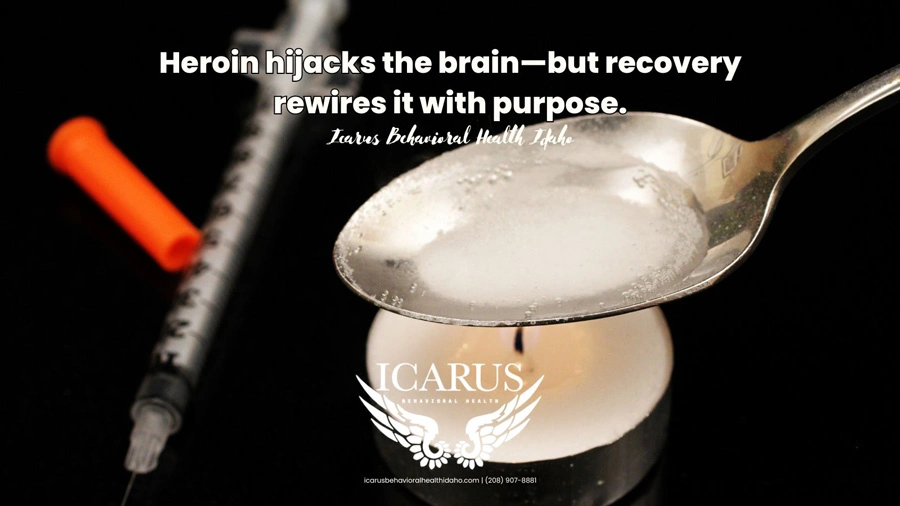
Heroin addiction treatment at Icarus Idaho

At Icarus Idaho, counseling and recovery planning support ongoing treatment after any needed outside withdrawal care or medical stabilization. Medication needs should be discussed with a qualified prescriber before admission.

Some of the likely therapies you might experience include:

Ongoing treatment at Icarus Idaho means learning healthy habits, inpatient or group therapies, family support, and behavioral strategies. Our team of licensed counselors works with each patient regularly to help them discover and change what caused the addiction and then create coping strategies to avoid future use.

Relapse Prevention Planning

Recovery doesn’t end when you leave the treatment center. Relapse prevention planning, or aftercare planning, is essential to a treatment program. In the weeks before program graduation, our counselors and therapists help clients recognize their triggers, develop new coping skills, and build a positive support network.

Some relapse prevention plans will also include tools like continuing medications, therapy, and case management, depending on the individual’s relapse risk.

It’s also important to understand that those newly out of treatment are at a heightened risk of overdose if they don’t take care to prevent relapse. That’s because they may use the same amount as before treatment. Their bodies can no longer tolerate that amount, causing the overdose.

Insurance Covers the Costs of Alcohol and Drug Detox and Recovery

Insurance Covers the Costs of Alcohol and Drug Detox

Many patients don’t realize that group or private health insurance plans provide mental health coverage, including detox and recovery. Some of the covered services include the following:

  • Medical detox and managing withdrawal symptoms
  • MAT, including the prescribed methadone or buprenorphine
  • Psychotherapy and behavioral therapies
  • Outpatient or inpatient treatment for heroin use
  • Individual, group, and family counseling sessions

You don’t need to go through the hassle of calling your insurance. Our admissions team will gladly review your insurance policy and obtain any pre-authorizations. Their goal is to help you get the most treatment benefits allowable for the lowest cost.

Medicaid and Many Forms of Insurance Accepted

Connect With Icarus Idaho for Heroin Addiction Treatment

Contact our team to discuss ongoing treatment in Boise and any outside evaluation or clearance needed before admission.

FAQs About Heroin Detox and Treatment

Heroin detox is the process of clearing opioids from the body while managing withdrawal symptoms. Detox needs can vary significantly. Some people may require medical monitoring or referral before entering ongoing treatment. Detox alone is not the same as rehab and is usually followed by therapy and recovery planning.

Heroin withdrawal can be physically and emotionally difficult, and medical support may be needed. People with severe symptoms, overdose risk, pregnancy, co-occurring medical issues, suicidal thoughts, or use of multiple substances should seek immediate medical help. If someone is in immediate danger, call 911.

After detox, many people benefit from structured treatment such as residential care, PHP, IOP, outpatient therapy, medication-assisted treatment, relapse prevention, and aftercare planning. The next step should be based on assessment, withdrawal stability, relapse risk, mental health symptoms, and support needs.

Medication-assisted treatment may help some people with opioid use disorder as part of a broader treatment plan. Medication decisions should be made by qualified medical professionals. MAT should usually be paired with counseling, recovery support, relapse-prevention planning, and ongoing clinical monitoring.

Insurance may help cover heroin detox, rehab, or related opioid treatment services when the plan allows it and medical necessity requirements are met. Coverage depends on the specific plan, authorization rules, provider status, deductible, copay, and coinsurance. Verification is not a guarantee of payment.

Written and Reviewed by

  • Medical Reviewer:

    Dr. Roland Segal, a distinguished psychiatrist, holds the role of Managing Partner and MD Psychiatrist at Synergy Mental Health and Wellness Integrate...

  • Writer/Author:

    Jennifer Trimbee is a registered nurse and healthcare writer who enjoys exploring the intersection of wellness, mental health, and everyday life. She...

  • Compliance / Admissions & Insurance:

    With over 20 years of leadership experience, Chris brings deep expertise in business development, operations, and mission-driven strategy within behav...

Scroll to Top
Call Now