The Risks of At-Home Detox and Why Professional Help is Better
The dangers of detoxing at home are very real. It’s important for anyone who is addicted to a substance to understand how they are at risk during an at-home detox and why getting professional help will put them in a better position.
Those will be the topics that we will cover on this page. Before starting with an alcohol detox or drug detox, you should understand what the process looks like and how to give yourself a safer, more informed treatment process.
Icarus Wellness and Recovery offers addiction treatment in Boise, Idaho, but does not provide on-site medical detox. Contact our team to discuss treatment options and whether an outside medical evaluation, detox referral, or medical-clearance step may be appropriate before admission.
Get Effective Rehab and Treatment Support at Icarus Idaho
Understanding Detox: What It Is and Why It’s So Important
The detox process is simply the act of removing drugs or alcohol from the body. As time passes without using drugs or alcohol, the body will naturally clear away those substances. This is a positive thing, of course, but it can come with some very severe symptoms.
Detox is typically the first step in the recovery process. It is physically intense and can even be dangerous. Withdrawal symptoms come in many different forms and can threaten human health in some situations.
All that is necessary to kick off the detox process is to stop using drugs or alcohol. Detox will begin right away and the process will continue for days or weeks, depending on the severity of the addiction.
Not everyone needs a separate medical detox program before addiction treatment. A healthcare professional should assess withdrawal risk and recommend an appropriate setting. Withdrawal care, when needed, addresses immediate symptoms; ongoing addiction treatment supports recovery beyond detox.
One common misconception is that detox is some sort of cure or finish line. That’s not it at all. Instead, detox is the starting point. Think of it as the foundation on which the rest of your recovery can be built.
Common Approaches to an At-Home Detox
We’ll discuss the significant dangers of detoxing at home in a moment. For now, it’s important to note that many people do attempt this approach with a variety of different tactics. While some may be successful, the risk is not worth it in the bigger picture.
Some people simply stop using drugs or alcohol cold turkey and try to stubbornly make it through the withdrawal symptoms they experience. The determination can be admired here but the success rate of such attempts is certainly quite low. When the severe symptoms start to set in, relapsing back to drug or alcohol use is likely.
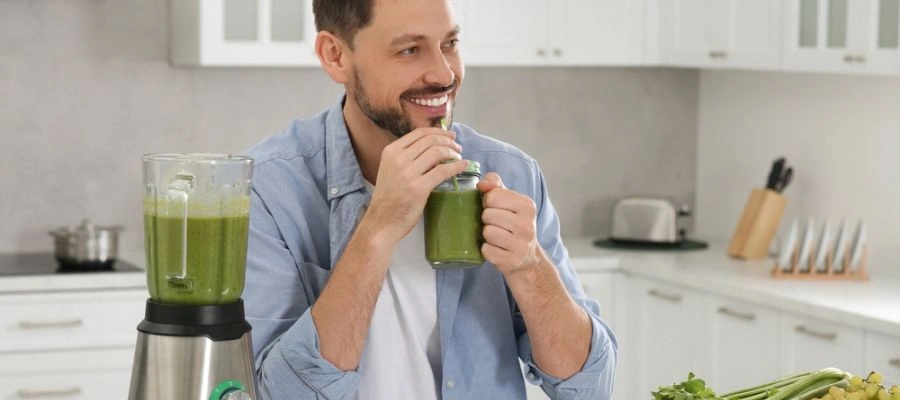
Juice cleanses and herbal “detox” products should not replace medical assessment or withdrawal care. NCCIH reports limited evidence for detox diets and notes that some cleansing practices can cause harm.
Why do people go ahead with an at-home detox despite so many potential challenges? Fear of stigma, for one reason. Checking into a detox and rehab facility may feel like admitting defeat, or acknowledging that they have a real problem.
Concerns over cost can be another factor. Or, some people will mistakenly think that their addiction is not that bad, and the detox process will go pretty smoothly. That is usually not the case.
The Real Dangers of Detoxing at Home
Going through alcohol detox or drug detox at home isn’t just difficult – it’s dangerous. Most people focus on the challenge aspect of the detox process while overlooking the potentially serious complications that can come along with it.
Dramatically altering what substances go into your body will immediately throw your system into disarray. Withdrawal symptoms can start just hours after you stop drinking or using drugs. If you aren’t in a location to have a medical detox, you’ll be on your own without any experienced supervision to keep you safe.
The sections below highlight the different types of risks you’ll take on with an at-home detox. We hope sharing this information will encourage you to opt for a safer, more controlled medical detox process.
Medical Complications and the Health Risks of Home Detox
This is the big one. The withdrawal symptoms you experience during detox can be life threatening. If you experience severe alcohol withdrawal symptoms, or drug withdrawal symptoms, and there is no medical professional available to help you, complications can quickly spiral out of control.
Vomiting and diarrhea are common withdrawal symptoms that you may experience. These are not only uncomfortable but also can lead to dangerous levels of dehydration. This is particularly dangerous if it goes on for a period of days and you are unable to keep food or water down consistently.
Seizures can occur during severe alcohol withdrawal and require emergency medical care. The risks of withdrawal differ by substance and by the person’s health; seizures are not a routine feature of every type of withdrawal.
More Risks of Detoxing at Home: Cold Turkey is Not the Best Option

There are also potential heart problems to worry about as detox unfolds. High blood pressure is common, as is developing an irregular heartbeat. The importance of heart health needs no explanation so it’s evident that this is one of the biggest risks associated with an alcohol detox or drug detox process.
Of all of the alcohol withdrawal symptoms you may experience, delirium tremens is likely the most severe. This is a type of alcohol withdrawal that includes hallucinations, rapid heartbeat, and confusion, among other issues. It’s tremendously difficult to endure and can endanger your life.
The dangers that come with all of these symptoms of the alcohol detox process can all be lessened through the use of medical assistance. That’s not to say that medical detox will be easy – it won’t be. It’s just far safer when you are in the hands of professionals who possess the training, equipment, and medication needed to get you through this experience.
Get Accredited Treatment Programs at Icarus
The Potential for Psychological Distress During Detox
Medical problems are not the end of the harmful withdrawal symptoms you are likely to experience. There are psychological issues that can arise, as well. It’s possible for these to be just as dangerous as your other alcohol withdrawal symptoms.
Depression and alcohol withdrawal kindling can emerge, or become more powerful, during detox. You may notice feelings of hopelessness start to arise. Some people will even encounter suicidal ideation as the detox unfolds. In this way, the psychological symptoms of detox can be life threatening just like the physical symptoms.
The Physical and Psychological Dangers of At Home Alcohol Detox
Alcohol withdrawal can also lead to panic attacks. These can be tremendously powerful and overwhelming. They are even harder to manage when you are alone and don’t have medical professionals on hand to guide you and regain control of the situation.
Hallucinations and severe confusion can be signs of a dangerous alcohol withdrawal complication. Call 911 or go to an emergency department if these symptoms, a seizure, fever, or an irregular heartbeat occur. See MedlinePlus guidance on alcohol withdrawal.
Encountering some of these scary psychological symptoms of alcohol withdrawal will be enough to cause many people to turn back to alcohol for relief. Or, if they are particularly determined and stick with the detox despite the alcohol withdrawal effects, a tragic outcome could take place.
A Higher Risk of Relapse

The detox journey is a difficult one that can be made more manageable when you have people in your corner who know how the experience works. Detox alone does not treat the ongoing causes and effects of addiction. Continued treatment and support matter after withdrawal care.
A few factors play into the higher risk of relapse when detoxing from alcohol at home. The first is simply a lack of support. It’s hard to go through something so difficult alone. When you have someone on your side to go through this with you and offer help, that’s a huge advantage.
Medications can also be used in a medical detox to help get you through the experience safely. These medications can bring down the level of discomfort you experience and make you less likely to want to quit partway through.
No Safety Net in the Case of Medical Emergencies
Even if you think you can make it through detox on your own, it might help to view medical supervision as a safety net. Maybe you won’t need emergency medical care while detoxing from alcohol – but maybe you will. Having that option available can put your mind at ease and help you focus on the task at hand.
Detoxing from alcohol is unpredictable. If you knew exactly what was going to happen along the way, you might feel comfortable doing it at home. But you can’t know how it’s going to play out in advance. Adding a safety net goes a long way toward helping you detox.
How a Medically Supervised Detox is Different
Everything around the detox process changes when you bring medical supervision into the picture. The difficult moments will still be there, but the support you have makes it far more likely that you’ll reach the light at the end of the tunnel.
To start, you’ll receive a custom treatment plan based on your substance use history. This is a more professional, accurate way to enter detox. It’s a far better plan than just stopping the use of drugs or alcohol and hoping for the best.
The level of monitoring depends on the setting and the person’s needs. Some people require inpatient withdrawal care; others may receive clinician-supervised outpatient care with regular checks. This is different from attempting withdrawal alone.
You will benefit from the help of professionals beyond just receiving medical care. There is also the emotional support component that can’t be overlooked. You will have access to counselors and therapists and will be given the direction and help needed to keep moving forward, even when things get difficult.
Having medical help while detoxing from alcohol can make all the difference. Detox is a huge first step toward recovery from drug or alcohol addiction and putting the odds in your favor with medical assistance is a great decision.
Work With the Professionals at Icarus Wellness and Recovery

Icarus Wellness and Recovery does not provide on-site medical detox. Our treatment programs are separate from any medical detox or withdrawal care needed before admission. Contact our team to discuss treatment at Icarus Idaho and whether an outside medical evaluation or clearance may be appropriate.
Addiction treatment is a puzzle with countless pieces. It may start with a medical detox that aims to alleviate withdrawal symptoms, but that’s certainly not the end. From there you’ll go through therapy sessions – both individual and group – and experience other forms of care like skill-building and wellness activities.
Treatment planning at Icarus Idaho is individualized. The services recommended depend on the person’s needs and the care we can appropriately provide. On-site medical detox is not part of our program.
Medicaid and Many Forms of Insurance Accepted
Connect with the Icarus Idaho Team for Support Today
Dealing with severe withdrawal symptoms on your own is asking for trouble. Detox is an important process but it is too difficult and dangerous to go through on your own. Instead, dealing with dangerous withdrawal symptoms while in the care of medical professionals is a far better plan.
Contact Icarus Wellness and Recovery to discuss addiction treatment in Boise and the steps that may be needed before admission. Our program does not provide on-site medical detox.